Saving Awareness Initiative
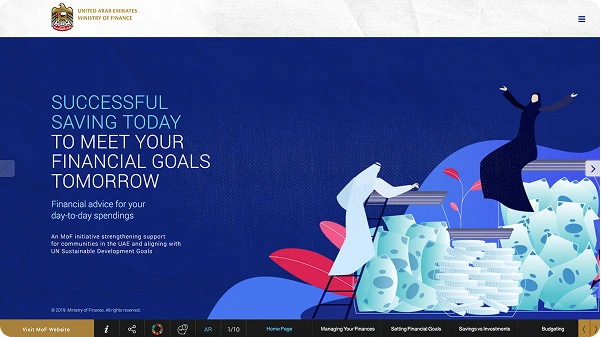
Successful Saving Today to Reach Your Financial Goals Tomorrow

Planning and Achieving Your Financial Goals
Money may not solve every problem, but it can help you achieve life-changing goals. Take time to write down your future plans and make them attainable by putting deadlines to each.
Organise your financial goals into manageable phases:
Short-term goals
(Ex. Settling your smallest debts or having enough in your account for your holiday)
Mid-term goals
(Ex. A more reliable car, a deposit on your first house, or capital to launch your own business)
Long-term goals
(Ex. Being totally debt free, covering your children’s university fees, or ensuring a comfortable retirement)
The 50/30/20 Formula
This simple formula is a popular way to divide your monthly income (money you have available to spend) into three main categories. You can adjust the ratio to suit your needs and your goals.
50% Needs
30% Wants
20% Saving
Basic Budgeting - Be the Boss of Your Money!
So, you’re excited about the prospect of saving… but where will the money come from? Establishing and sticking to a budget is the smartest way to start saving.
A basic budget includes categories that list the following:
- Payments you must make during the month (needs)
- Money you hope to spend in the future (savings)
- Payments you choose to make (wants)
- You may add a category for the money you’d like to share (charitable giving)
Start with your needs and savings, then allocate the remaining amount until it all balances. Here’s how:
Know your income
Note your monthly or weekly salary, and any income you receive from interest or property rental, extra work, and even cash gifts or things you’ve sold.
List all your expenses
Create categories for your expenses (ex. household bills, children, insurances). Some of these costs will be “fixed” (ex. your bond, car repayments, etc.) and others will be “variable” (ex. groceries and entertainment).
Save before you spend
Include amounts for your savings (ex. extra debt repayments, emergency fund savings or long-term investments) as a top priority.
Balance the books
If you have money left after deducting all your expenses from your income, decide where every extra dirham will go (boost your savings or treat yourself).
Ready for More Financial Tips?
Sharing Meaningful Financial Knowledge
The Ministry of Finance is proud to support the UN Sustainable Development Goals (SDGs), which aim to promote quality of life and happiness for all.

Good Health and Well-being

Quality Education